
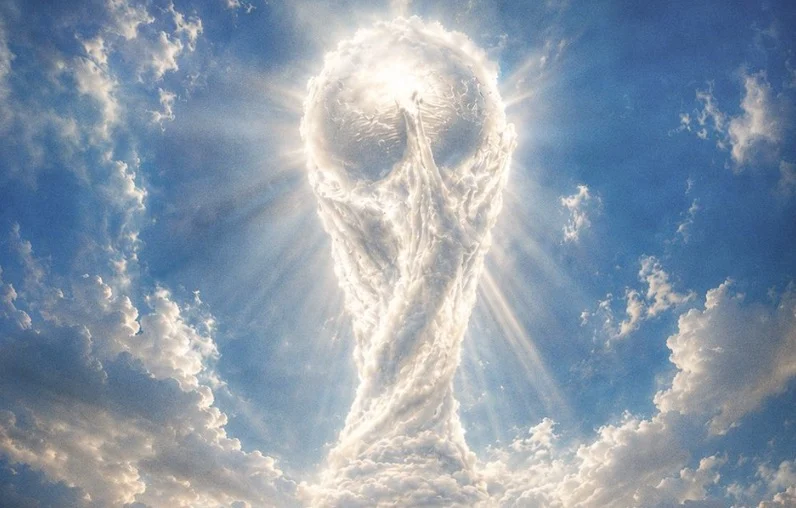
The FIFA account posted it late on June 10 and the football world stopped scrolling. “One day to go…” sat above a shot that looked more like a movie poster than a social media graphic. A giant World Cup trophy, carved entirely from clouds, hovered over Estadio Ciudad de México while sunlight exploded behind it. Red light bathed the lower stands. The caption needed almost nothing else.
That single image did what months of press releases could not. It made the 2026 World Cup feel immediate. Real. Imminent.
The Numbers Behind the Hype
This is not just another World Cup. It is the biggest one ever staged.
| Key Fact | Details |
|---|---|
| Teams | 48 (first time) |
| Total Matches | 104 |
| Dates | June 11 – July 19, 2026 |
| Opening Match | Mexico vs South Africa, Mexico City Stadium, June 11 |
| Final | July 19, MetLife Stadium, New York/New Jersey |
Three host nations. Sixteen cities. A format that gives more countries a genuine shot at the knockout stages than ever before.
Why Mexico City Gets the Ball First
History dictated the choice. Estadio Azteca — branded Mexico City Stadium for the tournament — already hosted World Cup openers in 1970 and 1986. No other venue on earth can say that. On June 11 it becomes the first stadium to do it three times when Mexico faces South Africa in Group A.
The kickoff is set for 13:00 local time. South Africa returns to the tournament for the first time since they hosted in 2010. The symmetry is neat: the same two teams that opened that edition now reverse roles on Mexican soil.
Co-host Mexico carries extra weight. Home fans expect a strong start. The squad knows the eyes of an entire country will be on them inside a venue that still echoes with the ghosts of Pelé lifting the trophy in 1970 and Maradona orchestrating magic in 1986.
The Image That Went Viral for a Reason
FIFA’s design team nailed the brief. The cloud trophy does not sit politely in the sky — it dominates it. Sun rays slice through like stadium floodlights. The red glow at the base makes the whole scene feel like it is already match night even though the turnstiles have not opened yet.
By the time the post hit 900,000 views, fans were already treating it like a preview of the opening ceremony. Some joked the clouds looked ready to rain confetti. Others just posted the image with fire emojis and countdown numbers. The engagement numbers told the real story: 62,000 likes and climbing fast.
What Fans Are Actually Feeling Right Now
Walk through any host city right now and you sense it. In Mexico City the streets near the stadium carry that low, steady hum you only get the night before something big. Street vendors are already setting up. Supporters from South Africa have started arriving, mixing their songs with local drums. The same electricity is building in Toronto, Dallas, and every other venue that will light up over the next six weeks.
This expanded tournament means more stories. More debutants. More nights where a smaller nation can shock the world inside one of these massive stadiums. The 48-team format stretches the group stage and rewards depth, but it also guarantees that the early matches carry extra tension. One bad result in the opener and a co-host could be fighting for its tournament life by match three.
The Clock Is Already Ticking
By the time most fans wake up on June 11, the final hours of waiting will be gone. The cloud trophy will still be floating in everyone’s feed, but the real version — the one made of silver and sweat — will be minutes from being lifted in Mexico City for the first time in this new era of the game.
FIFA did not need many words in that post. The picture said everything. The World Cup 2026 is no longer coming. It is here.